Diagonous L: A Bold Embroidery Shape
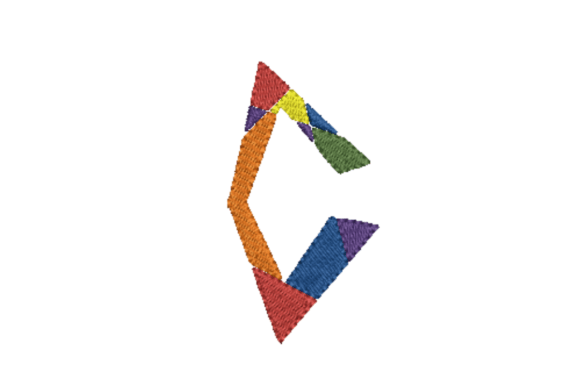
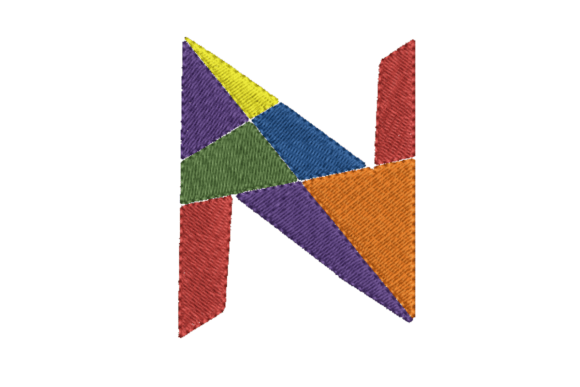
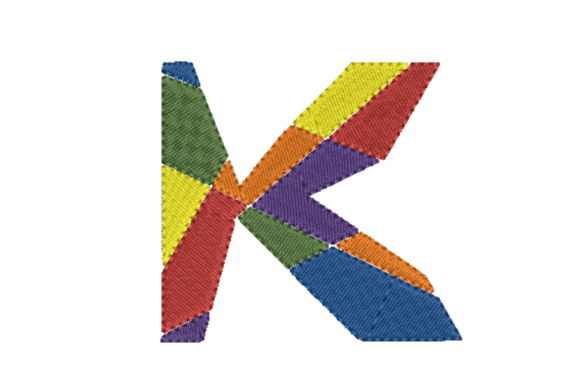
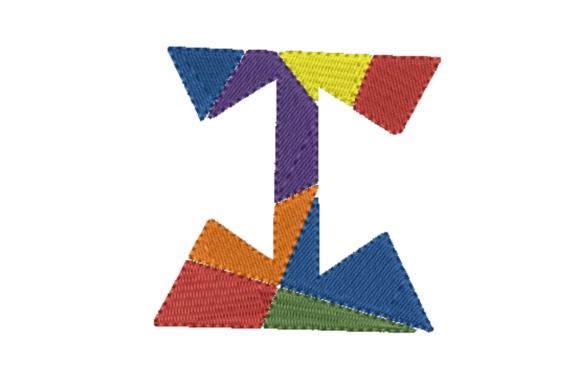
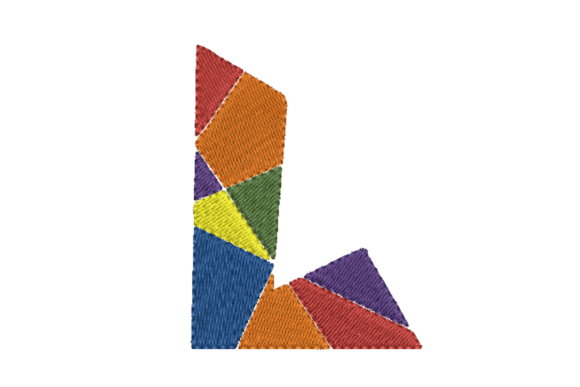
As a designer and embroidery product reviewer, I always start by looking at a design’s first impression. Diagonous L immediately catches the eye with its sharp, angular lines and vibrant color combinations. The diagonal shapes suggest movement and energy, making it ideal for modern, minimalist, or abstract projects. It feels like a design that can elevate both casual and commercial work without overwhelming the overall look.
First Impressions and Visual Personality
Diagonous L has a clean, geometric aesthetic that works well in both primary and secondary color schemes. The shape is simple but striking—each diagonal line adds depth and visual interest. This makes it perfect for projects that need a strong, memorable design element without being too busy. It could easily be used as an accent on a tote bag or as a central feature on a baby onesie.
The layout is balanced, with clear spacing between the diagonal elements. This suggests it was designed with practicality in mind, ensuring that it won’t look cluttered when stitched onto fabric. The detail level is moderate, which means it should hold up well on a variety of materials and sizes.
Real-Life Use Cases for Diagonous L
Imagine preparing a custom embroidered tote bag for a client who wants something unique and modern. Diagonous L could be the perfect addition—its bold lines would stand out without overpowering the rest of the design. It also works well as a sweatshirt embroidery, especially if paired with a minimalist text or logo.
For baby items, such as onesies or blankets, Diagonous L offers a subtle yet stylish touch. Its simplicity makes it versatile enough to fit into any nursery theme. On a patch, it could serve as a standout element, adding a sense of structure and direction to the overall look.
In a craft business, this design could be a valuable asset. As an Etsy seller or small shop owner, having a design that’s easy to adapt and apply to multiple products can save time and increase efficiency. Whether it’s used on aprons, caps, or pillow covers, Diagonous L brings a fresh, contemporary feel to each project.
Where to Use Diagonous L Carefully
While Diagonous L is a strong design, it’s not without limitations. For instance, it may not be ideal for small hoop sizes. If you’re working on a cap or a hat, where space is limited, the design might appear cramped or distorted. Similarly, on textured fabrics or thin materials, the stitch density could cause puckering or uneven stitching.
On dark fabrics, the contrast might be less effective, especially if the thread colors aren’t chosen carefully. It’s important to test the design on different backgrounds to ensure it looks good in all scenarios. Stretchy fabrics can also be a challenge, as the tension during stitching might affect the final appearance.
For detailed corners or tight spaces, Diagonous L could require extra attention. If the design is used as a decorative accent, it’s worth considering how it interacts with other elements. In dense stitch areas, it might look too busy, so balancing it with simpler designs is key.
Impact on Visual Appeal and Customer Perception
When it comes to visual appeal, Diagonous L delivers a clean, professional look that can enhance the value of a handmade product. Its bold lines and structured form add a sense of quality and intentionality. Customers often respond positively to designs that feel intentional and well-crafted, which can increase trust and engagement.
As a personalized gift, Diagonous L can make a statement. Whether it’s used on a holiday ornament, a wedding favor, or a custom piece for a boutique, it adds a touch of sophistication. Its versatility also makes it a great choice for branding—small businesses can use it consistently across different products to maintain a cohesive look.
In terms of giftability, this design has a universal appeal. It’s neither too flashy nor too plain, making it suitable for a wide range of recipients. For creative entrepreneurs, it can be a reliable design asset that fits into various product lines without needing constant rework.
Practical Designer Notes for Using Diagonous L
Before using Diagonous L in a real project, I recommend testing it on scrap fabric. This helps identify any issues with stitch density, stabilizer needs, or thread color contrast. It’s also a good idea to review the embroidery file formats provided and confirm that they are compatible with your machine.
If you’re planning to use Diagonous L for commercial projects, check the licensing terms to ensure you’re allowed to sell finished items or digital products. For handmade shops or Etsy sellers, this is especially important to avoid legal issues down the line.
When working with applique designs or satin stitches, pay close attention to how the design transitions between different elements. For fill stitches, ensure that the density is even to prevent any visible gaps or inconsistencies. Proper stabilizer use is crucial, especially on delicate or stretchy fabrics.
Finally, consider how Diagonous L will look in black and white mockups. This can help you assess its impact on different backgrounds and ensure it remains visually appealing in all contexts. Whether you’re creating a printable mockup or a digital product preview, this step can save time and improve the final outcome.